
When Is Dieting a Problem? Warning Signs to Watch For
When evaluating dieting problems, it’s important to understand the key differences. Most people start dieting with good intentions – to feel healthier, have more energy, or reach a weight goal. But throughout the process it’s possible for a shift to occur. What began as a wellness journey transforms into something far more concerning, leaving many to wonder: when does healthy eating cross the line?
In this blog we’re diving into the potential dangers of rigid dieting rules and offers a new perspective to take to help you feel more connected to your body through gentle nutrition and health promoting behaviors.
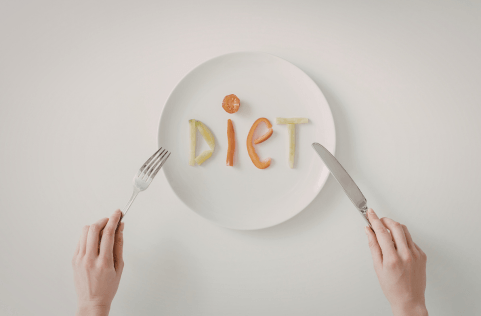
Understanding when dieting becomes a problem
The statistics paint a troubling picture. According to The National Eating Disorders Association, approximately 30 million Americans will struggle with an eating disorder at some point in their lives. Research from UCLA’s Newsroom reveals that eating disorders have the highest mortality rate of any psychiatric condition – a stark reminder that dieting problems aren’t merely about willpower or vanity.
The transition from dieting to disorder isn’t always dramatic. It’s the gradual erosion of flexibility around food. The increasing anxiety when meal plans get disrupted. The creeping isolation from social events that involve eating. Many individuals don’t recognize these shifts as warning signs because diet culture normalizes extreme behaviors. When everyone around you celebrates restriction and praises weight loss regardless of method, harmful patterns can feel like healthy choices.
Physical consequences often emerge first. Nutrient deficiency becomes common when diets eliminate entire food groups or severely restrict calories. Your body begins signaling distress through fatigue, hair loss, brittle nails, or irregular menstrual cycles – yet these symptoms are frequently dismissed as temporary adjustment periods. The psychological toll follows closely: obsessive food thoughts, rigid rules, guilt after eating, and a narrowing definition of self-worth centered entirely on body size.
Understanding these distinctions matters because early intervention significantly improves outcomes. The difference between sustainable healthy eating and problematic dieting lies not just in what you’re doing, but why and how it’s affecting your life. Let’s examine the common myths that keep people trapped in harmful patterns.
Conventional wisdom versus reality: myths about dieting
Society teaches us that dieting equals health consciousness – a positive step toward wellness. However, this conventional wisdom often masks harmful patterns. Research shows that 35% of “normal dieters” progress to pathological dieting, and of those, 20-25% develop partial or full-syndrome eating disorders.
The myth persists that restriction demonstrates discipline and self-control. In reality, dieting warning signs behaviors present themselves include obsessive calorie counting, eliminating entire food groups without medical necessity, and experiencing intense anxiety around eating. What appears as dedication to health can become a rigid system controlling daily life.
Another dangerous misconception suggests that issues with body image only affect teenagers or those with visible weight loss. Studies indicate eating disorders affect people across all demographics, with college students particularly vulnerable. The problem isn’t the occasional healthy meal choice – it’s when those choices become inflexible rules that override hunger cues, social connections, and physical wellbeing.
The line between health-conscious eating and problematic dieting isn’t always obvious. Understanding where normal transitions into concerning requires examining specific behavioral patterns rather than accepting cultural narratives about willpower and transformation.

how to identify problematic dieting
Recognizing when dieting crosses the line from health-conscious to harmful requires a structured approach. The key distinction lies not in what you’re eating, but in how you’re thinking about food and your relationship with your body.
A practical framework examines three interconnected dimensions: behavioral patterns, physical responses, and psychological impact. These elements rarely exist in isolation. Rather, they reinforce each other, creating escalating concerns that demand attention.
The Pattern Recognition Approach
Look for consistency rather than isolated incidents. One missed social event doesn’t signal a problem, but consistently avoiding gatherings due to food anxiety does. Similarly, fluctuations in weight are normal (bodies naturally vary by several pounds throughout the month) but dramatic swings or an obsession with the number on the scale could point to a deeper concern.
The most reliable signs of unhealthy dieting appear when behaviors persist despite negative consequences. When someone continues restrictive eating despite fatigue, mood changes, or relationship strain, the diet has shifted from a health tool to a compulsive pattern. Research indicates this rigidity often precedes more serious disordered eating.
Context matters tremendously. A temporary dietary adjustment for medical reasons operates differently than indefinite restriction driven by appearance anxiety. Understanding where problematic eating patterns originate-fear, control, or health-helps determine appropriate intervention.
Physical Warning Signs to Watch For
Your body provides clear signals when dieting becomes problematic, yet these danger signs of dieting often go unrecognized until significant harm occurs. Understanding the physical manifestations of unhealthy diet symptoms enables earlier intervention and prevents long-term complications.
Dramatic or Rapid Weight Changes
While gradual fluctuations in weight are normal, rapid weight loss-particularly exceeding 1-2 pounds per week-signals metabolic stress. Excessive weight loss disrupts hormonal balance, compromises immune function, and strains cardiovascular systems. Conversely, weight cycling (repeated loss and regain) increases risk for metabolic dysfunction and psychological distress.
Menstrual Irregularities and Hormonal Disruption
The cessation or irregularity of menstrual cycles represents a critical warning sign, indicating insufficient energy intake to support reproductive function. This condition, functional hypothalamic amenorrhea, accelerates bone density loss and signals systemic strain. Hormonal disruption extends beyond reproductive health, affecting thyroid function, cortisol regulation, and metabolic efficiency.
Persistent Fatigue and Energy Depletion
Chronic exhaustion despite adequate sleep suggests inadequate fuel for basic physiological processes. Fad diets often severely restrict macronutrients, leaving the body without sufficient resources for cellular function, muscle maintenance, and cognitive performance. This fatigue differs from normal tiredness-it persists throughout the day and impairs daily functioning.
Gastrointestinal Distress and Digestive Changes
Restrictive eating patterns disrupt digestive processes, manifesting as constipation, bloating, or abdominal discomfort. Extreme dietary changes alter gut microbiome composition and reduce digestive enzyme production. Additionally, problematic eating patterns may include purging behaviors that damage the esophagus, teeth, and electrolyte balance.
These physical markers demand attention-they’re not merely inconveniences but urgent signals that dietary behaviors have crossed into harmful territory.
Psychological Signs of Unhealthy Dieting
While physical symptoms often receive the most attention, the mental and emotional toll of unhealthy dieting frequently emerges first and causes the most pervasive damage. These psychological warning signs indicate when food restriction has moved beyond health-conscious choices into problematic territory.
Obsessive thoughts about food, calories, or weight dominate daily mental energy. When planning meals consumes hours of your day, when you calculate calories during conversations, or when food thoughts interfere with work or relationships, dieting has crossed a critical threshold. Research indicates that approximately 20 million women and 10 million men in America will have an eating disorder at some point in their life-patterns that often begin with seemingly innocent dietary restrictions.
Social withdrawal and isolation frequently accompany problematic dieting behavior. You might decline social invitations involving food, feel intense anxiety about restaurant meals, or create elaborate excuses to avoid eating with others. This progressive isolation reinforces disordered patterns and removes crucial social support systems.
Mood instability and irritability signal that dietary restrictions have compromised both nutritional and psychological wellbeing. When hunger-related anger becomes frequent, when restriction triggers depression, or when rejecting diet mentality feels impossible despite negative consequences, professional evaluation becomes essential.
These psychological patterns often precede physical complications, making early recognition critical for preventing more severe outcomes that we’ll explore through common behavioral trajectories.

How to shift the focus to more intentional health-driven intake
At NourishRX, we consistently emphasize that warning signs of weight loss often emerge when dietary approaches prioritize speed over sustainability. According to The Emily Program, the medical community now recognizes that rigid dieting behaviors frequently serve as precursors to more serious eating concerns.
Registered dietitians advocate for approaches that honor nutritional needs without imposing strict food rules. Research from Oklahoma State University Extension demonstrates that fad diet red flags (those promising rapid results through extreme restriction) create metabolic adaptations that ultimately work against long-term health goals.
The shift in professional guidance centers on sustainable practices rather than temporary fixes. All diets framed around deprivation or punishment frequently correlate with psychological distress. However, nutrition plans built on flexibility, adequacy, and personal preferences show better adherence rates and improved health outcomes.
Industry consensus suggests that balanced approaches should support physical health, mental well-being, and social functioning simultaneously. When any single aspect becomes compromised, particularly mental health or social connections, the dietary strategy warrants reevaluation. This broader definition of success acknowledges that true wellness extends beyond numbers on a scale.
Limitations and considerations
While recognizing warning signs remains essential, understanding the limitations of self-diagnosis is equally important. Not everyone who restricts certain foods or tracks calories develops disordered eating patterns. The context, motivation, and overall relationship with food matter significantly when evaluating whether dietary behaviors cross into problematic territory.
Cultural and individual differences complicate standardized assessments. What constitutes restrictive eating in one context may represent normal dietary patterns in another. Religious fasting, cultural food traditions, or medically necessary dietary restrictions don’t automatically indicate unhealthy diet symptoms. The distinction lies in the psychological relationship with these restrictions – whether they’re chosen mindfully or driven by fear and compulsion.
Professional evaluation remains crucial because many warning signs overlap with other medical or psychological conditions. Fatigue, mood changes, and concentration difficulties can stem from various health issues unrelated to dieting. Research indicates that proper medical assessment helps differentiate between dieting-related concerns and other underlying conditions.
Additionally, recovery from problematic dieting isn’t linear. Individuals may exhibit some concerning behaviors while working toward healthier eating patterns with professional support. Understanding these nuances helps prevent both over-pathologizing normal variation and dismissing genuine concerns that warrant attention.
Frequently asked questions
How can I tell if a diet is actually dangerous?
Fad diet red flags include extreme calorie restrictions (below 1,200 calories daily), elimination of entire food groups without medical necessity, promises of rapid weight loss exceeding 2 pounds weekly, and requirements to purchase specific supplements or products. Diets that label foods as strictly “good” or “bad” often promote unhealthy psychological relationships with eating. If a dietary approach makes you feel weak, dizzy, or socially isolated, it’s crossed into harmful territory.
What’s the difference between healthy eating and disordered eating?
Healthy eating involves flexibility, enjoyment, and balance-eating when hungry, stopping when satisfied, and allowing all foods in moderation. Disordered eating patterns involve rigid rules, anxiety around food choices, guilt after eating, and eating behaviors that interfere with social activities or daily functioning. The key distinction is whether food choices enhance or diminish your quality of life. Healthy eating supports your wellbeing; disordered eating becomes an obsession that controls your thoughts and actions.
When should I seek professional help?
Consult a healthcare provider if dieting causes significant weight changes, menstrual irregularities, digestive problems, or persistent fatigue. Psychological warning signs include constant preoccupation with food, anxiety about eating in public, or feeling trapped by food rules. Professional intervention becomes critical when eating behaviors trigger depression, social withdrawal, or physical symptoms that don’t resolve with dietary adjustments.
Key dieting problems takeaways
Recognizing when dieting becomes problematic requires honest self-assessment and awareness of multiple warning signs. Diet obsession manifests differently for everyone, but common patterns include physical deterioration, emotional distress, social withdrawal, and loss of control around food choices.
The progression from healthy intentions to harmful behaviors often happens gradually. Early intervention provides the best outcomes, which is why understanding these warning signs matters so deeply. If you’ve identified concerning patterns in yourself or someone you care about, professional support can create meaningful change.
Key points to remember:
- Physical symptoms like fatigue, dizziness, and menstrual irregularities signal your body’s distress
- Mental preoccupation with food that interferes with daily life indicates problematic thinking patterns
- Social isolation and behavior changes often accompany disordered eating
- Multiple warning signs compound the concern-trust your instincts
Moving forward means acknowledging that challenging diet culture requires courage, but prioritizing mental and physical well-being over arbitrary weight goals creates sustainable health.
Whether you’re supporting someone else or confronting your own relationship with dieting, reaching out for professional guidance represents strength, not weakness.
Your health deserves better than restriction-based approaches that compromise your overall quality of life. At NourishRX, we’re here to support you every step of the way. Reach out to see how our individual services can support your long term health goals.

A Registered Dietitian with over 15 years of experience in the treatment of eating disorders, Ryann Hilton is a passionate advocate for helping individuals heal their relationships with food. She holds a degree in Nutrition & Dietetics from Simmons University and is a Certified Eating Disorder Specialist-Consultant (CEDS-C) through the International Association of Eating Disorders Professionals (IAEDP). She is deeply committed to using evidence-based approaches to offer practical support that reduces overwhelm and fosters healing.