The NourishRX Blog
We have you covered at every step of your eating disorder journey.
search the blog:
-
How Malnutrition Affects Hormones
Malnutrition occurs when your body doesn’t get the nutrients it needs to function properly. Whether from restricted…
-
What Does Full Recovery From an Eating Disorder Really Mean?
If you or someone you love is navigating eating disorder recovery, you’ve probably wondered what…
-
Body Image Issues: How to Heal Your Relationship with Your Body
You catch your reflection in a store window and immediately look away. You skip the…
-
Digestive Issues in Eating Disorder Recovery: What to Expect
Have you ever felt like your body was betraying you just when you were finally…
-
When Is Dieting a Problem? Warning Signs to Watch For
When evaluating dieting problems, it’s important to understand the key differences. Most people start dieting…
-
The Intersection of ARFID, Autism, and ADHD: A Nutrition Guide
For many neurodivergent individuals, the relationship with food is complicated in ways that standard eating disorder assessments…
-
How is ARFID diagnosed? Understanding the Process
If you or someone you love struggles with extremely limited eating, you might have encountered…
-
Binge Eating vs Overeating: What’s the Difference?
We’ve all had those moments. You sit down to watch your favorite show with a…
-
Hormones, Extreme Hunger, and Healing In Eating Disorder Recovery: A Dietitian’s Guide
If you are recovering from an eating disorder and suddenly find yourself ravenous all the time, you…





-
How Malnutrition Affects Hormones
Malnutrition occurs when your body doesn’t get the nutrients it needs to function properly. Whether from restricted eating, digestive disorders, or limited food access, inadequate nutrition sets off a cascade of hormonal changes that affect nearly every system in your body. If you’re researching this topic, you might be navigating eating disorder recovery, supporting a loved one through treatment,…
-
What Does Full Recovery From an Eating Disorder Really Mean?
If you or someone you love is navigating eating disorder recovery, you’ve probably wondered what “recovered” actually means. Can you ever truly be free from an eating disorder? Or will you always be “in recovery,” managing symptoms for the rest of your life? These questions matter because the way we define recovery shapes how we approach treatment…
-
Digestive Issues in Eating Disorder Recovery: What to Expect
Have you ever felt like your body was betraying you just when you were finally doing the right thing? You’re eating regular meals, working toward recovery, and yet your stomach feels swollen, your digestion has slowed to a crawl, and you find yourself dealing with bloating, constipation, or nausea that wasn’t there before. You’re not alone. Research shows that…
-
When Is Dieting a Problem? Warning Signs to Watch For
When evaluating dieting problems, it’s important to understand the key differences. Most people start dieting with good intentions – to feel healthier, have more energy, or reach a weight goal. But throughout the process it’s possible for a shift to occur. What began as a wellness journey transforms into something far more concerning, leaving many…
-
The Intersection of ARFID, Autism, and ADHD: A Nutrition Guide
For many neurodivergent individuals, the relationship with food is complicated in ways that standard eating disorder assessments often miss. Avoidant/Restrictive Food Intake Disorder (ARFID) affects a significant portion of the autism and ADHD communities, yet traditional treatment approaches frequently fail because they don’t account for sensory processing differences, executive functioning challenges, and cognitive rigidity. This guide explores the intersection…
-
How is ARFID diagnosed? Understanding the Process
If you or someone you love struggles with extremely limited eating, you might have encountered the term ARFID and wondered what it means and how it’s diagnosed. Avoidant/Restrictive Food Intake Disorder, or ARFID, is a serious eating disorder that goes far beyond typical picky eating. Understanding how ARFID is diagnosed can help you recognize when selective eating has crossed…
-
Binge Eating vs Overeating: What’s the Difference?
We’ve all had those moments. You sit down to watch your favorite show with a bag of chips, and before you know it, the bag is empty. Or you go back for seconds (or thirds) at Thanksgiving dinner, leaving you pleasantly stuffed but satisfied. These experiences fall under the umbrella of overeating, something most of us…
-
Hormones, Extreme Hunger, and Healing In Eating Disorder Recovery: A Dietitian’s Guide
If you are recovering from an eating disorder and suddenly find yourself ravenous all the time, you are experiencing something that confuses and terrifies many people in recovery. You might feel hungry shortly after finishing a meal, need larger portions than ever before, or think about food constantly even when you are physically full. This phenomenon, often called extreme hunger, is…
-
What Causes Eating Disorders? Understanding the Complex Risk Factors
Eating disorders are serious mental health conditions that affect a person’s relationship with food, body image, and eating behaviors. They are not lifestyle choices or phases. They are medical conditions that can have devastating physical and psychological consequences when left untreated. The statistics are sobering. According to the National Eating Disorders Association, 28.8 million Americans will experience an…

-
What is Intuitive Eating? A Beginner’s Guide to the Anti-Diet Approach
If you’ve ever felt trapped by diet rules, calorie counting, or the endless cycle of restriction and bingeing, you’re not alone. Millions of people are searching for a different way to relate to food, one that doesn’t involve willpower, guilt, or constant food anxiety. That’s where intuitive eating comes in. Intuitive eating is an evidence-based approach to…
-
Unconditional Permission to Eat: 8 Ways to Help You Get Started
We’ve touched on unconditional permission before when we’ve chatted about why “cheat days” are problematic, but we wanted to give you some concrete steps to get there. When we give ourselves full permission to eat all foods, we eliminate that “forbidden fruit” factor, thus enabling us to have a much more fluid, relaxed relationship with food.
-
5 Ways A Non Diet Dietitian Can Support You With Food
Here at NourishRX we are proud to call ourselves non-diet dietitians. However, we also recognize that it can cause a bit of confusion – how can one be a dietitian and be not prescribe something in our own job title? We totally get it, and want to explain a little more about what it means to be a non-diet…
-
What is Gentle Nutrition?
If you’ve started to explore intuitive eating you’ve probably noticed that the focus is not on rigid rules, but rather on flexibility, getting curious about how food feels, cultivating self-compassion and forgiveness, and focusing on nurturance and satisfaction. This is where gentle nutrition fits in. Whereas it’s mainstream for diets to prescribe nutrition commandments without taking…
-
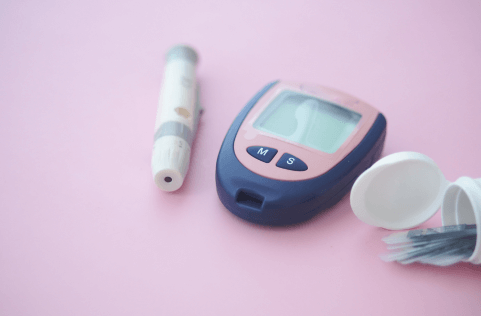
Should I Wear A Continuous Glucose Monitor (CGM)?
Continuous glucose monitors (CGMs) are no longer used only by people with diabetes. Social media, wellness influencers, and biohacking culture have popularized CGMs as tools for optimizing blood sugar, energy, metabolism, and even weight. But is wearing a CGM actually helpful if you don’t have diabetes? And could constant access to blood sugar data do…
-
10 Steps to Discover the Satisfaction Factor
In our diet-focused society today – the idea of enjoying foods can sometimes be seen as bad or wrong. Diet culture tells us that food is meant to be portioned out, “clean” (whatever that even means), and perfect but no mention of satisfaction or enjoyment. Sometimes diets will even claim “and the food tastes good, too!” as if the idea…
-
Steps to Create Your Flexible Holiday Food Plan
The holiday season can be stressful for anyone – and for those in eating disorder recovery, it can feel particularly challenging. With family gatherings, office parties, and festive foods everywhere, it’s easy to feel pressured to follow rules or restrict food. The key to navigating the holidays is flexibility and self-compassion. A flexible food plan allows you to honor…
-
How to Normalize Fullness this Thanksgiving
When you sit down at the Thanksgiving table and the aromas of freshly baked bread, an oven-roasted turkey, or a sweet apple pie fill your nose, what do you feel? Is the vision of the food on the table overwhelming? Does the notion of feeling full after a meal make your heart race? If so,…
-
How Do I Set Boundaries Around the Holidays?
Along with the colorful lights, holiday movies, and festive sugar cookies, we know the holiday stress that can arise related to the abundance of celebrations. This time of year may feel challenging and uncomfortable for all – especially those working through food and body image concerns. In order to maintain recovery while navigating holiday stress,…






-
What is Intuitive Eating? A Beginner’s Guide to the Anti-Diet Approach
If you’ve ever felt trapped by diet rules, calorie counting, or the endless cycle of restriction and bingeing, you’re not alone. Millions of people are searching for a different way to relate to food, one that doesn’t involve willpower, guilt, or constant food anxiety. That’s where intuitive eating comes in. Intuitive eating is an evidence-based approach to…
-
Orthorexia: When Healthy Eating Becomes Unhealthy
What is Orthorexia? Is it possible, or even healthy, to be a perfect eater? In today’s health-conscious world, the pursuit of a balanced diet and lifestyle is encouraged. Extreme dietary changes, like cutting out entire food groups, can even be commended. However, it is possible for a fixation on perfect eating to go too far…
-
Supportive Tips to Cope with Change
Coping with change during eating disorder recovery (and, well, always) can be an extremely difficult task. It happens time and time again where our clients are re-telling how they have noticed an intense increase in intrusive thoughts or behaviors. When we get into the nitty gritty of what is going on typically some sort of change or transition is…
-
5 Ways A Non Diet Dietitian Can Support You With Food
Here at NourishRX we are proud to call ourselves non-diet dietitians. However, we also recognize that it can cause a bit of confusion – how can one be a dietitian and be not prescribe something in our own job title? We totally get it, and want to explain a little more about what it means to be a non-diet…
-
How to Cope with Comparison
You might have heard, “comparison is the thief of joy.” You might also find it really hard not to compare. Body image comparisons in this appearance obsessed society is natural but is not very helpful. Body image dissatisfaction impairs our quality of life and is associated with depression, unhealthy diet and exercise behaviors, and eating disorders. There…
-
Should I Wear A Continuous Glucose Monitor (CGM)?
Continuous glucose monitors (CGMs) are no longer used only by people with diabetes. Social media, wellness influencers, and biohacking culture have popularized CGMs as tools for optimizing blood sugar, energy, metabolism, and even weight. But is wearing a CGM actually helpful if you don’t have diabetes? And could constant access to blood sugar data do…
-
How Much Protein Do I Need?
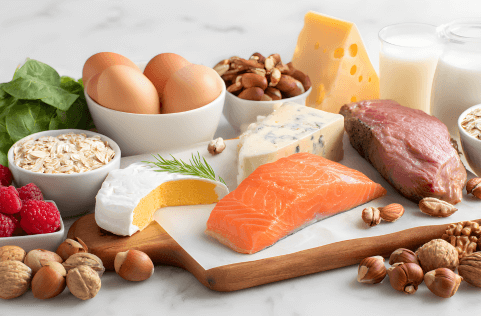
Protein is everywhere right now. From protein coffee and protein chips to social media claims that you need way more protein to be healthy, build muscle, lose weight, or balance hormones – protein has become the centerpiece of modern diet culture. But while protein is an essential nutrient, the current protein craze often oversimplifies how it works, exaggerates how…
-
Tips to Help Swerve Toxic Diet Talk
Diet talk is EVERYWHERE. It’s on television, in magazines, at the grocery store, the dentist, the hair salon…we can’t avoid it. We’ve written about diet talk in previous posts: here, here and here, but with the holidays now in full swing we wanted to expand on this topic and provide a little refresher to help keep you armed and ready for how to manage.
-
How to Normalize Fullness this Thanksgiving
When you sit down at the Thanksgiving table and the aromas of freshly baked bread, an oven-roasted turkey, or a sweet apple pie fill your nose, what do you feel? Is the vision of the food on the table overwhelming? Does the notion of feeling full after a meal make your heart race? If so,…



-
Should I Wear A Continuous Glucose Monitor (CGM)?
Continuous glucose monitors (CGMs) are no longer used only by people with diabetes. Social media, wellness influencers, and biohacking culture have popularized CGMs as tools for optimizing blood sugar, energy, metabolism, and even weight. But is wearing a CGM actually helpful if you don’t have diabetes? And could constant access to blood sugar data do…
-
Steps to Create Your Flexible Holiday Food Plan
The holiday season can be stressful for anyone – and for those in eating disorder recovery, it can feel particularly challenging. With family gatherings, office parties, and festive foods everywhere, it’s easy to feel pressured to follow rules or restrict food. The key to navigating the holidays is flexibility and self-compassion. A flexible food plan allows you to honor…
-
What is the Purpose of a Meal Plan in Recovery?
We know how hard it is to feel bound to a meal plan when food freedom seems right around the corner. As frustrating as this may be, there is always a purpose of a meal plan – it is one of the “MVPs” in recovery! As you work with your dietitian you will be hearing all about meal plans,…
-
3 Ways To Get Your Kids Involved In Cooking
If you’re anything like most of our clients with kids, you want to set them up with a positive relationship with food from the very beginning. This can sometimes feel like a daunting task at the dinner table where tensions can run high and tantrums may ignite like wildfire. If your mealtimes are more battle than buffet,…
-
How Do I Talk To My Child About Food? 5 Steps to Cultivating a Positive Relationship with Food
What was the messaging around food in your house growing up? Not surprisingly, our relationship with food begins at birth as food is a necessity for survival. Children learn to understand the world as they develop, looking to their parental figures for guidance around how to interact with food. The messaging that is communicated in the household…
-
Meal Coach vs. Registered Dietitian: What’s the Difference?
Let’s say that you have been working with your dietitian for a while now… You have laid the foundation of recovery and treatment goals, you’re learning about normalized eating, but maybe you’re getting stuck when it comes to actually executing those goals. Maybe meal times are overwhelming, and when it comes to challenging those fear foods that you…
-
Maintaining Eating Disorder Recovery on Campus
So, it’s that time of year again…school is starting soon! With a new school year comes new opportunities, new beginnings, new classes, and maybe even a new home. Transitioning from relaxing summer days to a new routine and a new dorm/apartment can be overwhelming, to say the least. On top of all that, having to…
-
Navigating Diet Culture While Wedding Planning
These days when you get engaged, it feels like you barely have enough time to celebrate the exciting milestone with your partner, family and friends before social media starts targeting you and your newly bejeweled left hand with ads for detoxes, quick fixes, flat tummy whatevers and new “it’s not a diet, it’s a lifestyle”…
-
6 Ways to Start Having Fun with Food
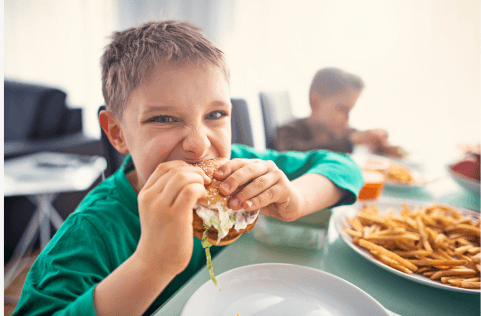
Diet culture wants us to believe that food must be perfect. Made with perfect ingredients and diligent portions in order for it to be considered “good”, while all other experiences are subsequently deemed “bad” or “not good enough.” This reliance solely on external labels or rules disconnects us from being able to trust that our bodies can and should be…






-
Relative Energy Deficiency in Sport (RED-S): Symptoms, Risks & How to Recover (2026 Guide)
Nutrition and athletic performance often go hand in hand. While it’s typical to see athletes watching and managing what they eat, consuming fewer calories than their body requires to perform at their activity level can lead to a very serious condition know as Relative Energy Deficiency in Sports (RED-S), or what had previously been know…
-
How to Work on Compulsive Exercise
Ah exercise. An important and helpful tool in life and in eating disorder recovery. However, when individuals engage in excessive or compulsive exercise it can be extremely dangerous to both their physical and mental health. In this blog we are diving into what compulsive exercise is, the dangers, and how we can move towards a…
-
How to Exercise in Hot Weather
With the hot weather we have seen this summer, it is so important to review the ways to engage in exercise when the temperatures are not so favorable. This post can be for any mover and groover – from high school to college athletes or those who prefer to enjoy a nice summer stroll. Engaging…
-
How to Enjoy Working Out
There is an overwhelming amount of evidence to support the benefits that come from working out. However, finding platforms or studios are offer a safe, inclusive environment can be a challenge. So the question becomes: do the benefits of movement in general outweigh the feelings of obsession, worthlessness or comparison that participating in current fitness culture…
-
Top 6 Recommendations for Eating Disorder Treatment Programs
You may be feeling scared or uncertain because it’s your first time considering an eating disorder treatment program. Perhaps you are feeling frustrated with treatment or struggling with the idea of not feeling “sick enough”. First off, we hear you. No matter where you are in this process, seeking treatment is not easy and you probably have…
-
Nutrition Resources for Body Positive Living in Massachusetts
When looking for body positive nutrition resources in Massachusetts, it can be difficult to know where to start. In our diet-culture-entrenched society, it can feel overwhelming to know what resources are beneficial for your overall well-being. And, what may be more damaging. That’s why we have compiled a list of resources in Massachusetts that can help…
-
Body Positive Movement Resources
Have you ever been in a group fitness class, get so into the workout (we’re talking music pumping, feelin’ yourself type vibe) until the instructor comments on weight or calories? Nothing gets us out of a good headspace like feeling the pressure from diet culture to change our bodies. Can we just have a fun…
-
10 Things to Do Outside in Massachusetts
The warmer months in New England are a great time to get outside and move your body in a joyful way. That’s why we have compiled a few great things to do outdoors in Massachusetts!
-
Running and Eating Disorders: Identifying Signs and Solutions
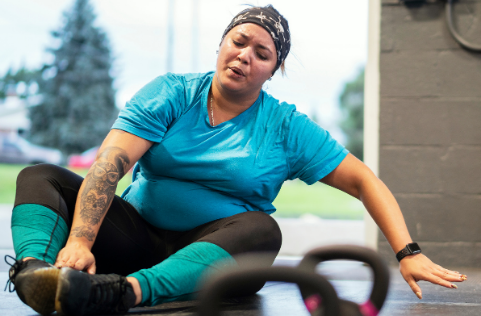
It is well established that there is a correlation between running and eating disorders. With this, we want to highlight signs of disordered eating in athletes and tips to fuel your body for any activity that you do.








-
What Is ARFID? Symptoms, Causes, and Treatment Options
A diagnosis of Avoidant-Restrictive Food Intake Disorder (ARFID) can be overwhelming for an individual and their caregivers. Since ARFID has only recently gained wider recognition and is a less well known eating disorder, it is understandable to have questions about what this diagnosis means and what treatment might look like. We are going through the main four…
-
ARFID vs Picky Eating: 5 Signs to Know the Difference
Many kids tend to be fussy or picky eaters and avoid certain foods because of taste or texture preference. As parents and clinicians, it can be hard to distinguish between picky eating and an eating disorder that requires treatment such as Avoidant/Restrictive Food Intake Disorder or ARFID. Knowing how to distinguish picky eating from something more severe…
-
ARFID in Children: Symptoms Every Parent Should Know
If your child consistently refuses meals, gags at the sight of certain foods, or seems anxious at the dinner table, you might have chalked it up to picky eating. But for some children, these behaviors go far deeper, and they have a name: ARFID, or Avoidant/Restrictive Food Intake Disorder. ARFID is a recognized eating disorder characterized by persistent…
-
What is the Purpose of a Meal Plan in Recovery?
We know how hard it is to feel bound to a meal plan when food freedom seems right around the corner. As frustrating as this may be, there is always a purpose of a meal plan – it is one of the “MVPs” in recovery! As you work with your dietitian you will be hearing all about meal plans,…
-
How to Support Your Loved One With an Eating Disorder
Parents and caregivers trying to support a loved one with an eating disorder can often feel overwhelmed and scared. Eating disorders are complicated, and we understand how difficult it can be to cope with the signs and symptoms of an eating disorder in addition to navigating when and where to seek help. While treatment is critical, there are many things that you can do to support your loved one at home that can make a major difference in your loved one’s recovery journey.
-
How To Respond When Your Child Says “I Feel Fat”
We all want our children to be confident in themselves and in their body. Unfortunately, body insecurities are often learned as kids navigate our society and messages about what a “right” body is. And they pick up on these things at a young age. Children as young as three years old are seen engaging with negative…
-
Parent Self Care in Eating Disorder Recovery
There is no section on how to cope with your child’s eating disorder in “What to Expect When You’re Expecting” parenting books. The task can be daunting and discouraging. It can take a toll on your physical, mental, and emotional well-being. This is why self care for parents is an important part of navigating the recovery process…
-
Eating Disorder Specialists: Who They Are And What They Do
Struggling with an eating disorder (ED) is so much more than having difficulty consuming food. Disordered eating and eating disorders are complex and multi-faceted, impacting an individual physically, mentally and emotionally. Given this, treatment for eating disorders requires a multidisciplinary approach – meaning a wide spectrum of eating disorder specialists to address each area affected by an…
-
How Do I Talk To My Child About Food? 5 Steps to Cultivating a Positive Relationship with Food
What was the messaging around food in your house growing up? Not surprisingly, our relationship with food begins at birth as food is a necessity for survival. Children learn to understand the world as they develop, looking to their parental figures for guidance around how to interact with food. The messaging that is communicated in the household…