


Continuous glucose monitors (CGMs) are no longer used only by people with diabetes. Social media, wellness influencers, and biohacking culture have popularized CGMs as tools for optimizing blood sugar, energy, metabolism, and even weight.
But is wearing a CGM actually helpful if you don’t have diabetes? And could constant access to blood sugar data do more harm than good — especially when it comes to your relationship with food?
This blog breaks down what a CGM is, the potential benefits and downsides, and why this decision deserves nuance, personalization, and context.
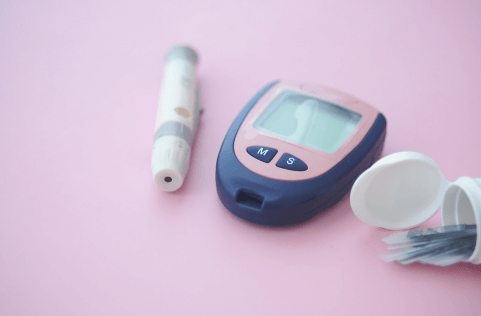
what is a continuous glucose monitor (cgm)?
A continuous glucose monitor (CGM) is a small wearable device that tracks glucose (blood sugar) levels throughout the day and night.
A CGM works by:
- Using a tiny sensor inserted just under the skin
- Measuring glucose in interstitial fluid (not direct blood)
- Sending glucose readings to a phone or receiver every few minutes
Most CGMs provide:
- Real-time glucose numbers
- Trend arrows (rising, falling, steady)
- Graphs showing glucose patterns over time
- Alerts for highs and lows
CGMs are a medical necessity for many people with diabetes. Outside of diabetes care, however, their usefulness is far less clear.
why are cgms trending in wellness and diet culture?
In wellness and diet culture spaces, CGMs are often marketed as tools to:
- Prevent blood sugar “spikes”
- Improve energy and focus
- Optimize metabolic health
- Guide food choices
- Reduce cravings
These claims sound compelling, but they often oversimplify how glucose works in the body and ignore individual context.
Blood sugar naturally rises after eating. This is not inherently bad or dangerous in healthy individuals. Framing normal glucose responses as problems can create unnecessary fear around food.
potential pros of wearing a cgm
There can be benefits to glucose monitoring in specific situations.
1. Increased Awareness of Patterns
A CGM can help some people notice:
- How sleep, stress, illness, or exercise affect glucose
- Broad trends rather than single readings
For individuals with insulin resistance, prediabetes, or PCOS (under medical guidance), this information may support care decisions.
2. Data for Medical Decision-Making
When used with a healthcare provider, CGM data can:
- Inform medication adjustments
- Identify true hypoglycemia or hyperglycemia
- Support individualized treatment plans
The key distinction is guided use versus self-experimentation.

the potential cons of wearing a cgm
For many people — especially those without diabetes — the downsides deserve serious consideration.
1. Increased Hyperfixation on Food
CGMs provide constant feedback. This can:
- Encourage micromanaging meals
- Create anxiety around eating
- Reinforce food rules ("this food is bad because it spikes my glucose")
Food choices may shift from nourishment and satisfaction to fear-based decision-making.
2. Impact on Relationship With Food
For individuals with a history of dieting, disordered eating, or perfectionism, CGMs can:
- Fuel obsessive tracking behaviors
- Increase guilt or shame after eating
- Reinforce restriction or avoidance of carbohydrates
Even without a formal eating disorder history, constant glucose data can erode trust in the body’s normal responses.
3. Misinterpretation of Normal Physiology
Blood sugar variability is normal.
A single “spike”:
- Does not indicate metabolic damage
- Does not mean a food is harmful
- Does not require correction
Without proper education, CGM data is easy to misinterpret — especially when viewed through a diet culture lens that prioritizes control and optimization.
4. Data Without Context
CGMs measure glucose, but they do not measure:
- Overall nutrition adequacy
- Hormones
- Stress levels
- Sleep quality
- Mental health
Focusing on one metric can distract from the bigger picture of health.
could wearing a cgm harm your relationship with food?
For some people, yes.
If you notice:
- Increased anxiety around meals
- Fear of carbohydrates or sugar
- Urges to "correct" numbers by restricting food
- Difficulty eating intuitively
A CGM may be doing more harm than good.
Health is not achieved through constant surveillance of the body. For many, stepping away from data can be more supportive than adding more.
who might benefit from a cgm?
CGMs may be appropriate when:
- You have diabetes or prediabetes
- A healthcare provider recommends it
- Data is interpreted with professional guidance
- Mental and emotional impacts are considered
They are not automatically beneficial simply because they are available.

why working with a dietitian matters
A registered dietitian can help you:
- Decide whether a CGM is appropriate
- Interpret glucose data without diet culture bias
- A non-diet dietitian can help you understand the potential impacts of health data on your relationship with food and help to check the facts.
- Focus on sustainable, individualized health behaviors
CGMs are tools — not requirements for health.
the bottom line
Continuous glucose monitors can be life-changing for people with diabetes. Outside of that context, their value is far more individualized.
In a culture that already encourages over-monitoring and perfectionism around food, CGMs can unintentionally fuel anxiety and hyper-fixation.
If you’re considering a CGM, the most important step is not ordering a device — it’s having a conversation with a qualified healthcare professional who understands both metabolic health and the psychology of eating.
Our team of non-diet dietitians can help you wade through the diet culture noise and find sustainable, helpful health strategies that work for your life and needs. Contact our team today for your 1:1 evaluation and treatment plan. You don't have to navigate diet culture trends alone!
PS - we accept most major insurance plans so many of our clients are receiving care at no cost to them!

A Registered Dietitian with over 15 years of experience in the treatment of eating disorders, Ryann Hilton is a passionate advocate for helping individuals heal their relationships with food. She holds a degree in Nutrition & Dietetics from Simmons University and is a Certified Eating Disorder Specialist-Consultant (CEDS-C) through the International Association of Eating Disorders Professionals (IAEDP). She is deeply committed to using evidence-based approaches to offer practical support that reduces overwhelm and fosters long-term healing.




Comments Off on Should I Wear A Continuous Glucose Monitor (CGM)?