Is Your Anti-Inflammatory Diet Fueling Disordered Eating? What to Watch For
Often praised for their health benefits, anti-inflammatory diets have become a popular choice for many individuals proactively seeking wellness. While this form of diet does hold merit and is even promoted by medical experts, it can sometimes blur the line between mindful eating and obsessive control.
If you’re overwhelmed by the food rules that come with anti-inflammatory diets, it’s easy to slip into stress, guilt, and social withdrawal. Even well-intentioned eating habits can evolve into rigid patterns that harm your mental and physical health – that is, unless you do something to prevent it.
Learn to identify the early signs of disordered eating that can emerge from overly strict anti-inflammatory diets, with emphasis on orthorexia nervosa. To help curb these symptoms, this article also walks you through empowering, sustainable ways to nourish your body and honor its unique needs for recovery.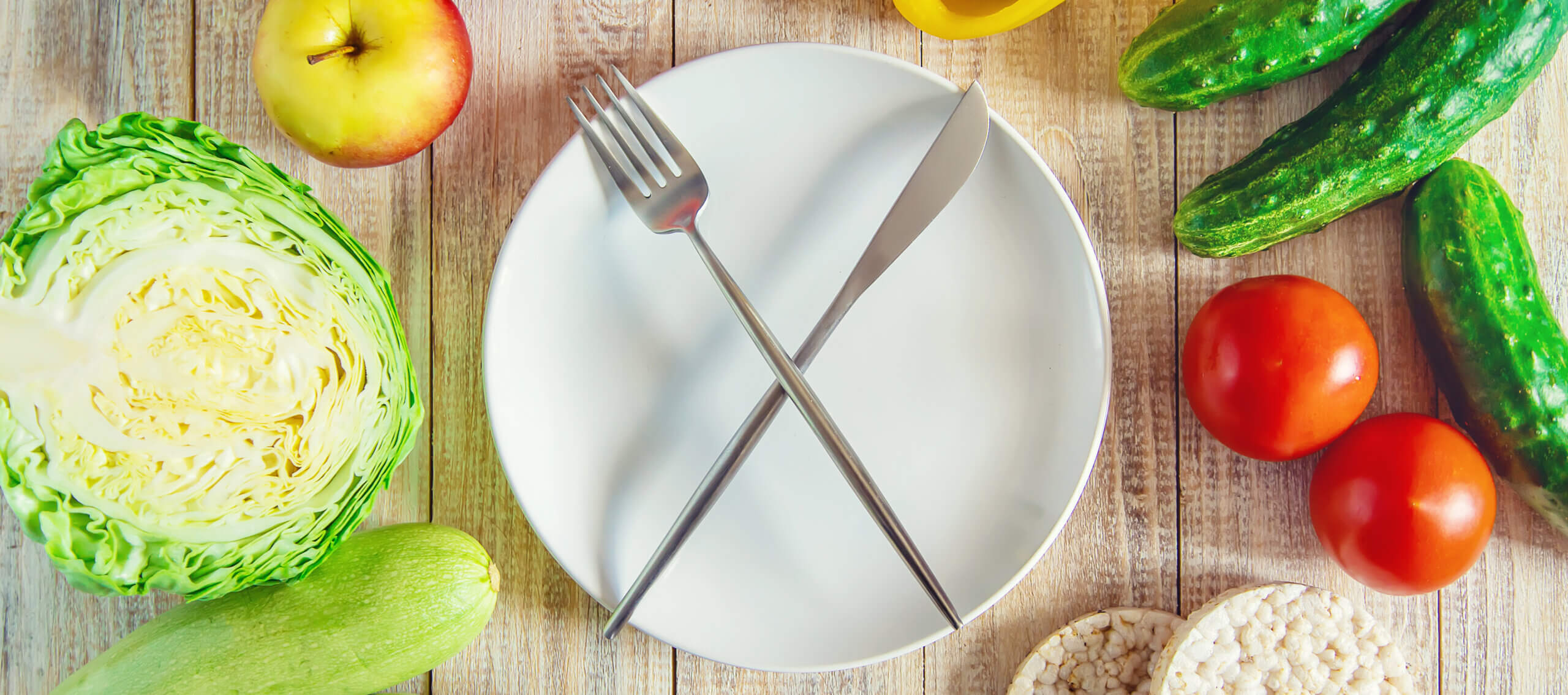
When “healthy” eating starts to hurt: The intent vs impact
What are the benefits of an anti-inflammatory diet? The answer tends to vary, but people generally explore this type of diet for the purpose of reducing chronic inflammation and improving long-term health. If done properly, these claims, in fact, do bring forth such benefits.
Backed by scientific research, anti-inflammatory diets emphasize the intake of whole, nutrient-dense foods like fruits, vegetables, fish, nuts, and healthy oils.
Consuming these foods also helps lower the risk of diseases and makes conditions like arthritis, heart disease, or even depression more manageable.
However, pursuing wellness through this approach can quietly morph into something more rigid and emotionally taxing. In some cases, the structure associated with anti-inflammatory diet recipes can come off as unintentionally restrictive.
Particularly with extreme anti-inflammatory diets, strict adherence to the rules dictating what you can and cannot eat may eventually bring fear, guilt, and a loss of flexibility around your eating habits.
Wellness or worry? Understanding orthorexia
When your food choices become driven by anxiety and an urge to follow rules religiously, rather than personal, flexible preferences built around nourishment, you’re no longer eating “healthily.” You may risk developing an eating disorder, such as orthorexia nervosa, that may undermine both your physical health and emotional well-being.
What Is Orthorexia?
Coined by the physician Steven Bratman in 1997, orthorexia nervosa is best explained as an intense obsession with food purity and health, particularly the consumption of foods considered healthy, often to the detriment of your physical, emotional, and social well-being. While not yet classified as a formal eating disorder, it is a growing concern recognized by many health professionals.
You may start exploring a high-protein anti-inflammatory diet for menopause management or another benefit-driven goal. However, if unregulated by a nutrition expert, this journey can result in self-imposed food rules, moral judgments around food choices, and significant emotional distress.
In the long run, the fixation on “clean” eating can usher in a slate of poor consequences, from nutrient deficiencies and increased food fear to strained relationships and reduced quality of life.
Key Warning Signs to Watch For
It can be difficult to recognize when a healthy habit has crossed the line. Here are some common signs that your eating patterns might be doing more harm than good:
- Constant concern over food purity, quality, and origin
- Cutting out entire food groups labeled as “bad” or “toxic”
- Spending excessive time researching or planning meals
- Experiencing guilt, shame, or anxiety after eating “off-plan” foods
- Avoiding social events or meals that don’t align with dietary rules
- Judging self-worth based on dietary “success” or “failure”
- Declining mental or physical health despite “clean” eating habits
Orthorexia frequently disguises itself as discipline around food, but over time, it can quietly take a toll on your health. If any of these signs sound familiar, don’t worry – support is available.
Diets Shouldn’t Make You Feel Anxious
Feeling overwhelmed by rigid food rules? Your anti-inflammatory diet should support your well-being, not stress you out. Let NourishRX help you overcome unhealthy fixations with “healthy” eating, and learn to nourish your body and mind the right way.Learn How We Can Help
How disordered eating impacts mental health
Clean” eating through anti-inflammatory diets might initially feel like a path to wellness, but developing food obsession comes with grave effects – not just for your body, but also for your mind.
Being consumed by thoughts of what you can or cannot eat is a usual part of food obsession. Because of this anxiety around meals, you may choose to skip social events to avoid feeling guilty for breaking a rule or coping with the shame around eating “imperfectly.”
This leaves you socially isolated from peers, affecting existing relationships and keeping you from building new connections. Little by little, these patterns can further disrupt your overall well-being, draining your energy and clouding your sense of self-worth. When this happens, clinical depression may likely co-occur.
Nourish, don’t restrict: A balanced approach to inflammation
A balanced anti-inflammatory approach doesn’t thrive on strict rules. Instead, it flourishes through flexibility and personalization. Instead of cutting out entire food groups, focus on adding variety.
What foods are included in an anti-inflammatory diet? Some nutrient-rich options include fruits, vegetables, whole grains, lean proteins, and healthy fats like olive oil, nuts, and seeds. These foods are packed with antioxidants, fiber, and essential nutrients that can help reduce inflammation while supporting your body’s natural defenses.
Most importantly, however, you should listen to your body. What feels nourishing and sustainable for you might look different for someone else, so be intuitive with your approach. Being mindful of your personal needs allows you to enjoy the process much more and honors both your physical and mental health.
By choosing nourishment over restriction, you can create a diet tailored to your personal needs that supports you completely.
Reclaim food freedom and let NourishRX support your healing
If an anti-inflammatory diet no longer benefits you as it should, it’s time to pause and reflect. Healing doesn’t end in simply fighting inflammation. It should also allow you to pursue better health, rid of fear and guilt.
At NourishRX, we believe that true wellness includes emotional peace and freedom around how we eat. We collaborate with seasoned therapists, dietitians, and other medical professionals to offer you holistic, comprehensive, and compassionate care, so you can rebuild a more balanced and nourishing relationship with food.
You don’t have to stay stuck in counterproductive anti-inflammatory diets. If you’re feeling overwhelmed, confused, or disconnected from the joy of eating, there’s a different path forward that honors your body and mind. Book your appointment today to learn how our team can help you.
Feeling Trapped by “Healthy” Eating?
Food should bring you freedom, not fear. If your anti-inflammatory diet feels more like a chore than a choice, NourishRX can help. Our team offers expert nutrition care that empowers you to build a healthier relationship with food.Reclaim Your Wellness with NourishRX
Written by Ryann Hilton, RD, LDN, CEDS-C
A Registered Dietitian with over 15 years of experience in the treatment of eating disorders, Ryann Hilton is a passionate advocate for helping individuals heal their relationships with food. She holds a degree in Nutrition & Dietetics from Simmons University and is a Certified Eating Disorder Specialist-Consultant (CEDS-C) through the International Association of Eating Disorders Professionals (IAEDP). She is deeply committed to using evidence-based approaches to offer practical support that reduces overwhelm and fosters long-term healing.

A Registered Dietitian with over 15 years of experience in the treatment of eating disorders, Ryann Hilton is a passionate advocate for helping individuals heal their relationships with food. She holds a degree in Nutrition & Dietetics from Simmons University and is a Certified Eating Disorder Specialist-Consultant (CEDS-C) through the International Association of Eating Disorders Professionals (IAEDP). She is deeply committed to using evidence-based approaches to offer practical support that reduces overwhelm and fosters healing.