


Protein is everywhere right now. From protein coffee and protein chips to social media claims that you need way more protein to be healthy, build muscle, lose weight, or balance hormones — protein has become the centerpiece of modern diet culture.
But while protein is an essential nutrient, the current protein craze often oversimplifies how it works, exaggerates how much we need, and ignores an important truth: protein needs are highly individual.
This article breaks down what protein actually is, why it matters, the potential risks of overdoing it, and why working with a registered dietitian (RD) is the best way to understand your unique protein needs.
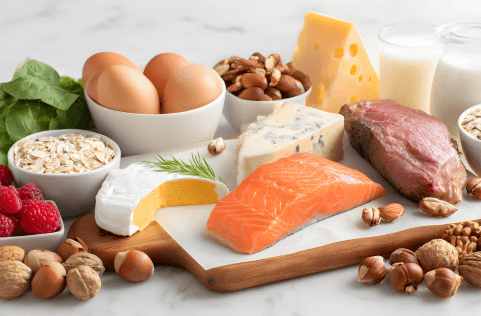
what is protein?
Protein is one of the three macronutrients (along with carbohydrates and fat). It’s made up of building blocks called amino acids, which the body uses for countless essential functions.
Protein plays a role in:
- Building and repairing muscles and tissues
- Producing enzymes and hormones
- Supporting immune function
- Maintaining skin, hair, and nails
- Transporting nutrients throughout the body
Because protein is involved in so many processes, it’s often framed as the “most important” macronutrient — but in reality, health depends on balance, not extremes.
why protein is important (but not magic)
Adequate protein intake is important across the lifespan. It supports:
- Growth and development
- Recovery from illness or injury
- Muscle maintenance as we age
- Satiety and blood sugar stability in combination with carbs and fat
However, protein is not a magic solution. Eating more protein alone does not automatically:
- Lead to weight loss
- Improve metabolism
- Prevent muscle loss without adequate energy intake
- “Fix” hormones or blood sugar in isolation
Protein works in context — alongside total calorie intake, carbohydrates, fats, micronutrients, sleep, stress, and overall health.
the rise of protein craze in diet culture
Diet culture has a pattern: it elevates one nutrient as the hero while villainizing others. Right now, protein is the hero — often at the expense of carbohydrates, fats, and flexibility.
Common protein-craze messages include:
- “You’re not eating enough protein” (without assessing intake)
- “Everyone should aim for very high protein”
- “If you’re tired or hungry, you need more protein”
- “Protein should be prioritized above all else”
These messages ignore individual needs and can create unnecessary anxiety around food — especially for people with a history of disordered eating or chronic dieting.

can you eat too much protein?
Yes — more protein is not always better.
Potential risks of excessive protein intake can include:
1. Displacing Other Nutrients
When protein crowds out carbohydrates and fats, people may fall short on:
- Fiber
- Key vitamins and minerals
- Adequate energy intake
This can impact digestion, hormones, mood, and athletic performance.
2. Digestive Issues
Very high protein diets are often low in fiber, which can contribute to:
- Constipation
- Bloating
- Gut discomfort
3. Increased Stress on the Body
For some individuals — particularly those with kidney disease or certain medical conditions — excessive protein intake may be inappropriate or harmful.
4. Reinforcing Diet Mentality
Rigid protein targets can reinforce food rules, tracking behaviors, and perfectionism — all of which can undermine long-term health and a peaceful relationship with food.
so... how much protein do you actually need?
Here’s the part diet culture often skips: protein needs vary widely.
Your ideal protein intake depends on many factors, including:
- Age
- Sex
- Body size
- Activity level
- Type of exercise (endurance vs. strength)
- Medical history
- Metabolic health
- Recovery status (including eating disorder recovery)
- Overall calorie intake
Two people of the same height and weight can have very different protein needs.
There is no single “perfect” protein number that applies to everyone.

why working with a specialist matters
A registered dietitian (RD) looks beyond trends and considers the whole picture of your health.
An RD can help you:
- Determine protein needs that are appropriate for you
- Assess whether you’re truly under- or over-consuming protein
- Balance protein with carbohydrates and fats
- Support muscle, energy, digestion, and hormones without extremes
- Avoid unnecessary restriction or overemphasis on a single nutrient
This individualized approach is especially important if you:
- Feel confused by conflicting nutrition advice
- Are tracking protein obsessively
- Have a history of dieting or disordered eating
- Are training for performance or managing a health condition
the bottom line of the protein craze
Protein is important — but it’s not a cure-all.
The current protein craze often promotes one-size-fits-all advice that overlooks individuality, balance, and sustainability. Health is not about maximizing one nutrient; it’s about meeting your needs in a way that supports your body, your lifestyle, and your relationship with food.
If you’re unsure how much protein is appropriate for your body, our team offers individualized, evidence-based support to cut through diet culture confusion. We’re contracted with most major insurance plans, meaning many clients have no out-of-pocket cost.
Because nutrition should be individualized — not trendy.

A Registered Dietitian with over 15 years of experience in the treatment of eating disorders, Ryann Hilton is a passionate advocate for helping individuals heal their relationships with food. She holds a degree in Nutrition & Dietetics from Simmons University and is a Certified Eating Disorder Specialist-Consultant (CEDS-C) through the International Association of Eating Disorders Professionals (IAEDP). She is deeply committed to using evidence-based approaches to offer practical support that reduces overwhelm and fosters long-term healing.



Comments Off on How Much Protein Do I Need?