


Avoidant restrictive food intake disorder, commonly known as ARFID, is a serious eating condition that goes far beyond picky eating. Unlike other eating disorders, ARFID is not driven by body image concerns or a desire to lose weight. Instead, it involves avoidance or restriction of food intake due to sensory sensitivities, fear of negative consequences, or a general lack of interest in eating.
If you are searching for answers about ARFID, you are not alone. Many people find themselves confused about whether their eating patterns (or those of a loved one) are simply "fussy eating" or something more serious. Parents worry when their child refuses entire food groups. Adults feel isolated when they cannot participate in social meals. The good news is that ARFID is treatable, and understanding it is the first step toward recovery.
In this guide, we will explore what ARFID is, how it differs from normal picky eating, the three main types of ARFID, common symptoms and causes, and evidence-based treatment approaches. We will also discuss when to seek professional support and how specialized nutrition counseling can help.

what is avoidant restrictive food intake disorder
Avoidant restrictive food intake disorder is a recognized eating disorder that was added to the Diagnostic and Statistical Manual of Mental Disorders (DSM-5) in 2013. It replaced the previous diagnosis of "Feeding Disorder of Infancy or Early Childhood" and expanded the criteria to include individuals of all ages.
The core characteristic of ARFID is avoidance or restriction of food intake that leads to nutritional deficiency, significant weight loss, dependence on nutritional supplements or tube feeding, or impaired psychosocial functioning. What sets ARFID apart from other eating disorders like anorexia nervosa or bulimia nervosa is the absence of body image disturbance. People with ARFID do not restrict food to change their weight or shape.
Research indicates that ARFID affects between 0.3% and 5% of the general population, though prevalence estimates vary due to the relatively recent recognition of the disorder. While ARFID most commonly develops during childhood, it can persist into adulthood or begin at any age. Notably, ARFID has a more balanced gender distribution compared to other eating disorders, with males representing a larger proportion of cases than seen in anorexia or bulimia.
arfid versus picky eating: understanding the difference
Many children go through phases of picky eating, but ARFID is fundamentally different. Picky eating typically involves only a few foods, does not affect overall growth or development, and often resolves as children mature. ARFID, on the other hand, involves a severely limited diet that impacts nutrition, health, and daily functioning. It does not resolve without intervention.
The distinction matters because ARFID can lead to serious medical complications, including malnutrition, growth delays in children, and social isolation. Recognizing the difference early can lead to timely treatment and better outcomes.
the 3 types of arfid explained
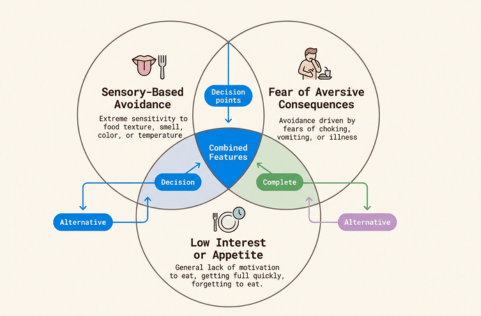
ARFID manifests differently in each person, but researchers and clinicians have identified three primary presentations. It's important to note that individual may experience one, two, or all three of these patterns simultaneously.
sensory-based avoidance
Some people with ARFID have heightened sensitivity to the sensory properties of food. They may be extremely sensitive to tastes, textures, smells, colors, or temperatures. This is sometimes referred to as being a "supertaster" with intensified perception of certain flavors, particularly bitter and sweet.
A person with sensory-based ARFID might refuse all foods with a particular texture (such as mushy or crunchy foods), only eat foods at room temperature, or avoid entire food groups based on smell or appearance. This type of ARFID is commonly associated with autism spectrum disorder, though it can occur independently.
fear of aversive consequences
This presentation involves avoidance of food due to fear of negative experiences related to eating. The fear might be specific, such as a fear of choking, vomiting, or experiencing pain after eating. Alternatively, it might be more generalized anxiety about the consequences of eating.
Fear-based ARFID often develops after a traumatic food-related experience, such as choking on a particular food, having a severe allergic reaction, or experiencing significant abdominal pain after eating. The person may then avoid the specific food associated with the trauma or generalize the fear to many foods, restricting their diet to only a few "safe" options.
low interest or appetite
Some individuals with ARFID simply have little to no interest in food or eating. They may not recognize hunger cues in the way others do, or they may find eating to be a chore rather than a pleasurable activity. These individuals might forget to eat, feel full after only a few bites, or prefer to engage in other activities rather than meals.
This presentation can be particularly challenging because the person may not experience distress about their limited eating, making it harder to recognize as a problem. However, the nutritional consequences can be just as serious as the other types.
signs and symptoms of avoidant restrictive food intake disorder
ARFID can present with a wide range of physical, behavioral, and psychological signs. Not every person will experience all of these symptoms, but the following are common indicators that warrant professional evaluation.
physical signs
The physical effects of ARFID vary depending on the severity of food restriction and the specific nutrients lacking in the diet. Common physical signs include:
- Significant weight loss or, in children, failure to gain weight or grow as expected
- Nutritional deficiencies, such as anemia from low iron or other vitamin deficiencies
- Gastrointestinal issues, including constipation, stomach cramps, or acid reflux
- Fatigue, dizziness, or fainting due to inadequate energy intake
- Cold intolerance and low body temperature
- Delayed puberty in adolescents
- Fine body hair (lanugo) as the body attempts to conserve heat
- Dry skin, brittle nails, and hair loss
behavioral signs
Behavioral indicators of ARFID often center around eating patterns and food-related activities. These may often be the first signs that are noticed:
- Extremely limited variety of accepted foods (sometimes fewer than 20 foods)
- Avoidance of social situations involving food, such as parties or restaurants
- Eating rituals or specific requirements for food preparation
- Very slow eating, taking small bites, or excessive chewing
- Anxiety or distress at mealtimes
- Wearing layers of clothing to hide weight loss or stay warm
- Dependence on nutritional supplements to meet basic needs
psychological signs
The psychological impact of ARFID can be significant and may include:
- Anxiety and distress specifically related to food and eating
- Social isolation due to difficulty eating with others
- Depression or low mood
- Difficulty concentrating or learning
- Strained family relationships around mealtimes
It is important to note that unlike other eating disorders, people with ARFID may not experience body image disturbance or fear of weight gain. Their restrictive eating stems from other factors entirely.
causes and risk factors of arfid
The exact cause of avoidant restrictive food intake disorder is not fully understood, but research suggests that multiple factors contribute to its development. Understanding these risk factors can help with early identification and intervention.
biological and genetic factors
Studies suggest a significant genetic component to ARFID. A large Swedish twin study found that approximately 79% of the predisposition to ARFID was due to genetic factors, with unshared environmental factors accounting for about 21%. This indicates a strong hereditary influence, though the specific genes involved are still being studied.
Neurobiological research has identified potential abnormalities in brain regions involved in appetite regulation, sensory processing, and fear responses. The insula, which helps regulate internal body states and process sensory information, appears to play a key role in ARFID pathophysiology.
temperament and personality
Certain temperamental traits may increase vulnerability to ARFID.
Children who are highly sensitive to sensory experiences, have high levels of anxiety, or show rigid or inflexible thinking patterns may be more likely to develop ARFID.
These traits can make it harder to adapt to new foods or recover from negative eating experiences.
For some individuals, ARFID develops after a specific triggering event. This might include:
- Choking on food
- Force-feeding or pressure around eating
- Food insecurity or inconsistent access to food
- Significant abdominal pain or vomiting after eating
- Medical procedures involving the digestive system
These experiences can create lasting associations between eating and negative outcomes, leading to avoidance behaviors.
co-occurring conditions
triggering event and trauma
ARFID frequently co-occurs with other conditions. Research indicates that up to 21% of people with autism spectrum disorder experience ARFID in their lifetime. Additionally, up to 26% of individuals with ARFID also have ADHD.
Other commonly co-occurring conditions include anxiety disorders, obsessive-compulsive disorder (OCD), and depression.
Medical conditions such as gastroesophageal reflux disease (GERD), eosinophilic esophagitis, and food allergies can also contribute to feeding difficulties.

how arfid is treated
Treating ARFID requires a comprehensive, multidisciplinary approach that addresses both the physical and psychological aspects of the disorder. Early intervention is associated with better outcomes, so seeking help promptly is important.
the multidisciplinary team
Effective ARFID treatment typically involves collaboration among several healthcare professionals:
- Primary care physician or pediatrician for medical monitoring and management of complications
- Mental health professional such as a psychologist or therapist trained in eating disorders
- Registered Dietitian Nutritionist (that's us!) specializing in eating disorders for nutritional rehabilitation
- Gastroenterologist if there are underlying digestive issues
- Speech-language pathologist for swallowing or oral-motor concerns
- Occupational therapist for sensory-related feeding difficulties
evidence-based therapies
Several therapeutic approaches have shown effectiveness in treating ARFID:
Cognitive Behavioral Therapy for ARFID (CBT-AR) is a specialized form of CBT designed specifically for ARFID. It typically involves 20 to 30 sessions and focuses on identifying and changing the thoughts and behaviors that maintain the eating disorder. CBT-AR includes psychoeducation, treatment planning, addressing mechanisms that maintain ARFID symptoms, and strategies for preventing relapse.
Family-Based Treatment for ARFID (FBT-ARFID) involves family members in the treatment process. This approach empowers parents and caregivers to help their loved one re-establish healthy eating patterns and reduce ARFID symptoms. Research has found this approach helpful for restoring weight and increasing parental confidence in supporting their child's nutrition.
Exposure Therapy involves gradual, systematic exposure to feared foods or eating situations in a safe, supportive environment. This can be particularly effective for individuals whose ARFID is driven by fear of aversive consequences.
Responsive Feeding Therapy is often used with children and focuses on establishing positive mealtime routines, modeling healthy eating behaviors, and allowing the child to respond to their own hunger and fullness cues without pressure.
nutritional rehabilitation
Nutritional rehabilitation is the cornerstone of ARFID treatment. A specialized dietitian plays a critical role in:
- Assessing current nutritional status and identifying deficiencies
- Developing a structured plan to gradually expand food variety and quantity
- Addressing specific nutrient deficiencies through food and supplements as needed
- Monitoring weight restoration and growth in children and adolescents
- Creating a positive, sustainable relationship with food
In severe cases where nutritional status is critically compromised, hospitalization may be necessary to provide medical stabilization and nutritional support. Your medical team would help guide this decision.
medications
While there are no medications specifically approved for ARFID, certain medications may be used as adjunctive treatments:
- Mirtazapine can help stimulate appetite and reduce anxiety
- Cyproheptadine is an antihistamine that can enhance appetite
- SSRIs may be prescribed for co-occurring anxiety or depression
- Olanzapine has been used off-label to reduce anxiety and cognitive rigidity around food
Medications are typically used alongside therapy and nutritional rehabilitation, not as standalone treatments.
when to seek support for avoidant restrictive food intake disorder
Recognizing when eating difficulties have crossed into ARFID territory is crucial for getting appropriate help. Consider seeking professional support if you or a loved one experiences:
- Eating difficulties that are affecting physical health, such as weight loss, nutritional deficiencies, or delayed growth in children
- Food avoidance that interferes with social functioning, such as inability to eat with others or participate in social events involving food
- A progressively narrowing range of accepted foods that is getting worse over time rather than better
- Significant anxiety, distress, or fear around food and mealtimes
- Dependence on nutritional supplements to meet basic nutritional needs
At NourishRX, our team of eating disorder dietitians helps individuals build a balanced, sustainable relationship with food. If you are navigating ARFID, digestive concerns, or recovery from disordered eating, we can help you develop a personalized approach to nourishment. Our team understands the complexities of ARFID and works collaboratively with other healthcare providers to support your recovery journey.
We believe that recovery is possible, and you do not have to face this alone. With the right support, individuals with ARFID can expand their food acceptance, improve their nutritional status, and develop a healthier relationship with eating. Major insurances are accepted and many plans fully cover our sessions. To learn more about how we can support you or your loved one, call us at 978-927-0990 to schedule a free care coordination call.
let's summarize:
What is avoidant restrictive food intake disorder and how is it different from picky eating?
Avoidant restrictive food intake disorder is an eating disorder characterized by avoidance or restriction of food intake that leads to nutritional deficiency, weight loss, or impaired functioning. Unlike picky eating, which typically involves only a few foods and does not affect overall health or growth, ARFID involves a severely limited diet that impacts nutrition and daily life. ARFID also does not resolve on its own and requires professional treatment.
Can adults have avoidant restrictive food intake disorder or is it only a childhood condition?
While ARFID most commonly develops during childhood, it can occur at any age and often persists into adulthood if not treated. Some adults may have had ARFID since childhood without recognition, while others may develop it later in life following traumatic experiences or medical conditions. Adult ARFID is increasingly recognized and treatable.
What are the main types of avoidant restrictive food intake disorder?
There are three main presentations of ARFID: sensory-based avoidance (sensitivity to taste, texture, smell, or appearance), fear of aversive consequences (fear of choking, vomiting, or pain), and low interest or appetite (little to no interest in food or eating). A person may experience one or more of these types simultaneously.
How is avoidant restrictive food intake disorder treated and what does recovery look like?
ARFID is treated through a multidisciplinary approach including cognitive behavioral therapy, family-based treatment, nutritional rehabilitation with a registered dietitian, and sometimes medications. Recovery involves gradually expanding food variety, improving nutritional status, and developing a healthier relationship with food. With appropriate treatment, many individuals achieve significant improvement.
Is avoidant restrictive food intake disorder related to autism or ADHD?
ARFID frequently co-occurs with autism and ADHD. Research indicates that approximately 21% of people with autism experience ARFID, and up to 26% of individuals with ARFID also have ADHD. While these conditions share some characteristics, they are distinct diagnoses that require separate but coordinated treatment approaches.
When should someone seek professional help for avoidant restrictive food intake disorder?
Seek professional help if eating difficulties are affecting physical health (weight loss, nutritional deficiencies), interfering with social functioning, progressively worsening, or causing significant anxiety or distress. Early intervention leads to better outcomes, so reaching out to a healthcare provider, therapist, or registered dietitian specializing in eating disorders is recommended.

Registered Dietitian, Emma Newell, has over five years of experience in outpatient and higher-level treatment settings (PHP/IOP), and is a trusted expert in treating eating disorders and disordered eating. She specializes in conditions such as Anorexia, Bulimia, Binge Eating Disorder, ARFID, and OSFED, using a compassionate, non-diet Intuitive Eating approach. Emma holds a Bachelor’s degree in Nutrition and Dietetics from the University of Delaware and is certified in Sports Dietetics (CSSD) and Sports Nutrition (CISSN). Through personalized, evidence-based care, she helps clients heal their relationships with food and body while fostering lasting, sustainable recovery.




Be the first to comment