High-Fiber Nutrition for Better Gut Health: What Science Says & How to Eat More Fiber
Fiber is often praised as a “super nutrient” for gut health but it’s also frequently framed in ways that can feel overwhelming, rigid, or diet-centric. Many messages focus on hitting a specific number, cutting foods, or pushing through discomfort, which can be especially challenging for people recovering from disordered eating or chronic restriction.
The truth? Fiber can support digestive health, blood sugar balance, cholesterol regulation, and gut microbiome diversity without counting, restriction, or food fear. A non-diet approach focuses on adding fiber gently and sustainably, while honoring body cues, mental health, and individual tolerance.
Why fiber matters for gut health
Dietary fiber refers to the parts of plant foods that are not digested in the small intestine. Instead, fiber travels to the colon, where it plays an important role in digestive and metabolic health.
Research shows fiber helps:
- Support regular bowel movements
- Feed beneficial gut bacteria
- Reduce gut inflammation
- Support blood sugar regulation
- Contribute to heart health
Importantly, fiber works best when the body is adequately nourished overall. Increasing fiber without enough calories, fat, or fluids can worsen GI symptoms which is a common experience for people with eating disorder histories.
The gut microbiome and fiber: A supportive relationship
Fiber is a key fuel source for the gut microbiome – the trillions of bacteria living in the digestive tract.
When gut bacteria ferment fiber, they produce short-chain fatty acids, which:
- Support intestinal lining integrity
- Reduce inflammation
- Play a role in immune and metabolic health
A non-diet lens recognizes that microbiome diversity improves with food diversity, not perfection. You do not need to eat “clean” or eliminate foods to support gut health.
Fiber is often categorized into:
- Soluble fiber, which forms a gel-like substance and can help with stool consistency and blood sugar stability
- Insoluble fiber, which adds bulk to stool and supports regularity
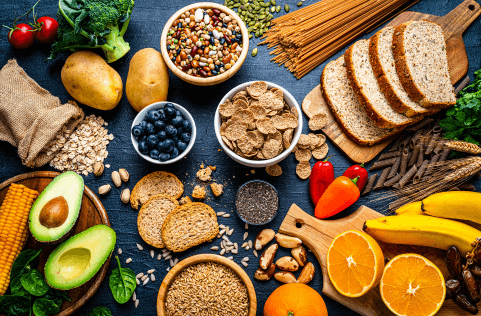
Foods naturally containing both types include:
- Fruits and vegetables
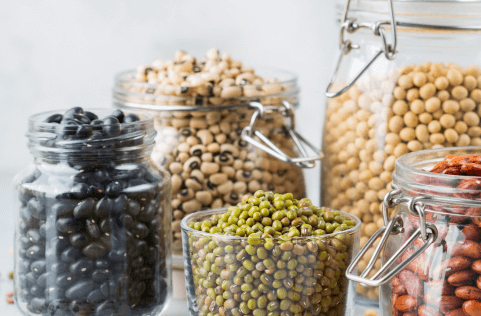
- Beans and lentils
- Whole grains
- Nuts and seeds
Why more fiber isn’t always better
While fiber is beneficial, increasing it too quickly or in isolation can:
- Increase bloating and discomfort
- Worsen constipation
- Trigger anxiety around food choices
- Reinforce rigid eating behaviors
For people in eating disorder recovery or healing from chronic restriction, the gut often needs time to adapt.
Gentle increases, paired with adequate nourishment, are far more effective than aggressive fiber goals.
How to add in fiber safely
Add One Fiber-Containing Food at a Time
Instead of overhauling your entire intake:
- Add fruit to breakfast
- Include a vegetable at lunch or dinner
- Try beans or lentils in one meal per week
Small, consistent additions support gut adaptation and reduce GI distress.
Pair Fiber With Fat and Protein
Fiber works best when meals are balanced. Pairing fiber with fat and protein:
- Supports digestion
- Reduces bloating
- Helps regulate blood sugar
- Increases satisfaction
Example: Oatmeal with nut butter, yogurt with fruit, rice with beans and olive oil.
Hydration Matters
Fiber needs fluid to do its job. Increasing fiber without enough fluids can worsen constipation – especially for those rebuilding digestive function after restriction.
Cooked Foods Count
Raw foods are not inherently better for gut health. Cooked vegetables, soups, stews, and roasted foods are often more digestible and recovery-friendly.
When fiber isn’t the whole answer
- Digestive symptoms aren’t always caused by low fiber. GI concerns may also be related to:
- Stress and nervous system dysregulation
- Hormonal changes
- Food sensitivities
- IBS or other GI conditions
- History of restriction
Working with a dietitian trained in non-diet and eating disorder recovery allows gut health work to be:
- Individualized
- Flexible
- Symptom-informed
- Mentally supportive
- Sustainable long-term
Rather than chasing fiber goals, nutrition care focuses on patterns, consistency, and comfort.

How NourishRX can support you
If you’re experiencing digestive symptoms while:
- Recovering from disordered eating
- Healing your relationship with food
- Feeling overwhelmed by fiber messaging
- Managing GI conditions
Our team wants to support you navigate gut health with compassion, science, and flexibility. Contact us today to see if our science-backed services are right for you.

A Registered Dietitian with over 15 years of experience in the treatment of eating disorders, Ryann Hilton is a passionate advocate for helping individuals heal their relationships with food. She holds a degree in Nutrition & Dietetics from Simmons University and is a Certified Eating Disorder Specialist-Consultant (CEDS-C) through the International Association of Eating Disorders Professionals (IAEDP). She is deeply committed to using evidence-based approaches to offer practical support that reduces overwhelm and fosters healing.