
Digestive Issues in Eating Disorder Recovery: What to Expect
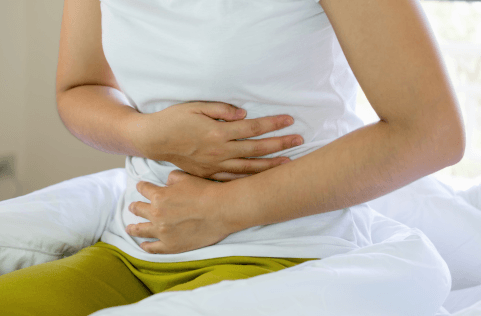
Have you ever felt like your body was betraying you just when you were finally doing the right thing? You’re eating regular meals, working toward recovery, and yet your stomach feels swollen, your digestion has slowed to a crawl, and you find yourself dealing with bloating, constipation, or nausea that wasn’t there before.
You’re not alone. Research shows that up to 98% of people with eating disorders experience at least one functional gut disorder during recovery. That means digestive distress isn’t just common, it’s nearly universal. And while that probably doesn’t make the discomfort any less frustrating, understanding why these symptoms happen can help you navigate them with patience rather than panic.
Here’s what you need to know: these digestive issues are temporary, they’re a sign that your body is beginning to heal, and there are evidence-based strategies to make the process more manageable. In this article, we’ll explore the physiological mechanisms behind GI issues in recovery, why symptoms often worsen before improving, and how working with a specialized dietitian can support both your digestive health and your overall recovery journey.
Why digestive issues happen during recovery
Understanding the biology behind your symptoms can transform how you experience them. Instead of feeling like your body is working against you, you can recognize these sensations as evidence of a system that’s been impacted by disordered eating and is now working to rebuild itself.
The impact of restriction on your digestive system
When the body is undernourished, it doesn’t just slow your metabolism to conserve energy. It also reduces activity in non-essential systems, including your gastrointestinal tract. This adaptation is protective in the short term, but it creates significant changes in how your digestive system functions.
Delayed gastric emptying (gastroparesis) is one of the most common effects. Research by Stacher et al. (1986) and Robinson et al. (1988) found that people with anorexia nervosa experience gastric emptying that takes nearly twice as long as in healthy individuals. Food simply sits in the stomach longer, leading to early fullness, bloating, and nausea even after eating what might seem like small amounts.
Just as the muscles in your arms or legs can atrophy from disuse, the muscles throughout your GI tract weaken from inconsistent food intake. The stomach and intestinal walls lose tone and strength, making it harder for your body to move food through the digestive process efficiently. This muscular weakening contributes to constipation, slowed transit time, and that persistent feeling that food is “just sitting there.”
The gut microbiome disruption
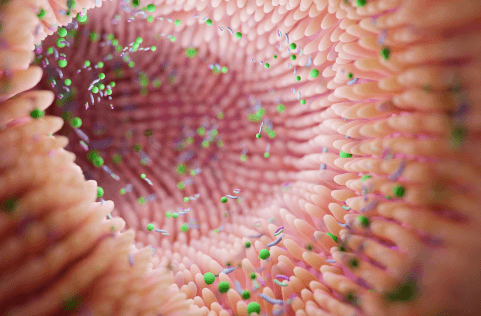
Your gut contains trillions of bacteria that play essential roles in digestion, immune function, and even mood regulation. These microbial communities are sensitive to what and how much you eat, and prolonged restriction disrupts their balance.
Research by Morita et al. (2015) demonstrated that individuals with anorexia nervosa have significantly lower gut microbiota diversity compared to healthy individuals, particularly in strains involved in gut health and immune defense. This reduced diversity means your microbiome is less resilient and less capable of handling the digestive process smoothly.
The connection between your gut and your brain runs deeper than you might expect. Over 90% of your body’s serotonin, a neurotransmitter essential for mood regulation, is produced in your digestive tract. When your gut microbiome is disrupted, it doesn’t just affect digestion. It can also influence anxiety, depression, and the emotional challenges that often accompany eating disorder recovery.
The gut-brain connection
Your digestive system doesn’t operate in isolation from your mental state. The communication between your gut and brain is bidirectional and constant, which means anxiety about eating can directly worsen digestive symptoms.
When you feel anxious before, during, or after meals, your sympathetic nervous system activates the fight-or-flight response. Blood flow diverts away from your digestive organs toward your muscles and heart, preparing you to respond to a perceived threat. This physiological state is the opposite of what supports digestion, which requires the parasympathetic nervous system, sometimes called the “rest and digest” state.
Research by Kelly et al. (2015) has shown that elevated stress levels and cortisol increase gut permeability, sometimes called “leaky gut.” This compromised intestinal barrier allows partially digested food particles and toxins to pass into the bloodstream, potentially triggering immune responses and food sensitivities that further complicate the digestive process.
Common digestive symptoms in early recovery
Knowing what to expect can reduce the fear that often accompanies these physical sensations. While everyone’s experience is unique, certain symptoms appear consistently across people in recovery.
Recovery bloat and abdominal distension
That tight, swollen feeling in your abdomen, often called “recovery bloat,” is perhaps the most distressing symptom for many people. It happens for several reasons: slowed motility means food stays in your system longer, microbiome shifts produce more gas as bacterial populations rebalance, and your body may be reacting to foods it hasn’t processed in months or years.
It’s important to understand that bloating doesn’t necessarily reflect actual weight gain or body changes. Much of what you’re feeling is air and gas in the digestive tract, combined with inflammation as your gut lining heals. Many people find that their clothes feel tighter even when their weight hasn’t significantly changed, simply because of the distension in their abdomen.
Constipation and slowed transit
Constipation is the most commonly reported digestive complaint during eating disorder recovery. The causes are multifactorial: dehydration, electrolyte imbalances affecting muscle contraction, weakened intestinal muscles, and reduced food volume moving through the system all contribute.
In healthy individuals, normal digestion takes anywhere from 8 to 12 hours for stomach emptying and 24 to 72 hours for complete transit. For someone in recovery, this timeline becomes unpredictable. Your body is essentially recalibrating its entire digestive rhythm, and that process takes time.
Early satiety and fullness cues
One of the most confusing aspects of recovery can be feeling full after eating only small amounts of food. This early satiety happens because your stomach capacity has physically reduced during restriction, and delayed gastric emptying means food remains in your stomach longer than it should.
This is why many eating disorder dietitians recommend mechanical eating in early recovery: eating regular meals and snacks by the clock rather than relying on hunger and fullness cues. Your body’s signals simply aren’t reliable right now, and waiting until you’re hungry or stopping when you’re full could lead to inadequate nutrition when your body needs it most.
Nausea, reflux, and heartburn
Nausea is common in recovery, often caused by delayed gastric emptying combined with anxiety. For some people, particularly those with a history of purging, damage to the esophageal sphincter can lead to gastroesophageal reflux disease (GERD), causing heartburn and regurgitation that further complicates the eating process.
The prevalence of these symptoms is striking. Research by Boyd et al. (2005) found that 98% of eating disorder patients experience at least one functional gastrointestinal disorder. If you’re dealing with digestive distress, you’re not experiencing something unusual or indicative of a separate medical problem. You’re experiencing a normal, if uncomfortable, part of the recovery process.
The recovery timeline: what to expect
Patience is difficult when you’re uncomfortable, but understanding the typical progression can help you trust the process. Your digestive system needs time to rebuild, and that rebuilding often involves a period of increased symptoms before improvement begins.
Why symptoms may worsen initially
Many people find that their digestive symptoms actually intensify in the first few weeks of recovery before they start to improve. This phenomenon is sometimes described as your gut “waking up” after a period of dormancy.
As you increase food intake and establish regular eating patterns, your digestive system must rapidly adapt. Gut motility recalibrates, your microbiome undergoes significant shifts as bacterial populations respond to increased nourishment, and your body begins processing foods it hasn’t encountered in some time. All of this activity can temporarily increase gas, bloating, and bowel irregularity.
Research by Riedlinger et al. (2022) tracking gastrointestinal complaints during inpatient eating disorder treatment found that while symptoms are common throughout early recovery, they do improve with consistent nutritional rehabilitation over time.
The role of mechanical eating
Mechanical eating, eating structured meals and snacks at regular intervals regardless of hunger or fullness cues, serves as the primary treatment for digestive issues in recovery. This approach accomplishes several goals simultaneously: it provides consistent nourishment to support healing, it helps retrain your digestive system to expect and process food regularly, and it removes the anxiety of decision-making around food during a time when your body’s signals can’t be trusted.
A typical mechanical eating structure includes three meals and three snacks spaced every 2-3 hours throughout the day. Each eating occasion includes carbohydrates, protein, and fat to ensure nutritional adequacy and support hormone production, including the hormones that regulate digestion. Your dietitian (that’s us!) can help craft a specialized plan for you to ensure your needs are specifically being met.
strategies for managing digestive discomfort
While time and consistent nutrition are the true healers, there are approaches that can make the process more comfortable and support your body’s recovery.
Nutritional approaches
Mechanical eating structure remains the foundation: regular meals and snacks every 2-3 hours, including all macronutrients at each eating occasion. This consistency allows your digestive system to establish a predictable rhythm and ensures your body has the resources it needs to rebuild.
Additionally, favoring lower-fiber, more processed foods can help in early recovery. While fiber is generally beneficial for digestion, in a compromised GI system, high-fiber foods can increase bloating and discomfort. White bread, pasta, cooked vegetables, and ripe fruits are often easier to tolerate than whole grains, raw vegetables, and large quantities of legumes.
Adequate hydration supports digestion and helps prevent constipation, though it’s best not to consume large volumes of fluid immediately before or during meals, which can contribute to early fullness. Small, consistent amounts of water throughout the day support your system without overwhelming it.
Physical comfort measures
Simple, gentle interventions can provide relief without interfering with the recovery process:
- Heating pad or hot water bottle on the abdomen can relax digestive muscles and reduce cramping
- Gentle movement like walking after meals supports motility without the stress of structured exercise
- Comfortable, loose-fitting clothing reduces pressure on your abdomen when bloating occurs
- Peppermint or ginger tea may help with nausea and gas, though individual responses vary
- A footstool or Squatty Potty can position your body more effectively for bowel movements
Nervous system regulation
Since anxiety directly worsens digestive symptoms, practices that calm your nervous system are therapeutic for both your mind and your gut:
- Extended exhale breathing activates the parasympathetic nervous system. Try inhaling for a count of four and exhaling for a count of six or eight.
- Grounding techniques before and after meals help keep you present and reduce anxiety spirals
- Supportive post-meal activities like journaling, crafts, or connecting with understanding friends provide distraction and comfort during the period when physical discomfort often peaks
- Therapy to address the underlying anxiety and eating disorder thoughts that fuel digestive distress
What to avoid
Some common responses to digestive discomfort can actually prolong or worsen symptoms:
- Self-medicating with laxatives can cause dependence and damage the nerves and muscles in your colon, making natural bowel function even harder to restore
- Elimination diets or food restriction to “fix” symptoms undermines your nutritional rehabilitation and can reinforce eating disorder patterns
- Excessive exercise to relieve bloating places additional stress on your body and can worsen digestive issues
- Comparing your timeline to others’ recovery stories; healing happens at different rates for different people

When to work with an eating disorder dietitian
While some digestive discomfort is a normal part of recovery, you don’t have to navigate it alone. Working with a registered dietitian who specializes in eating disorders can make the process significantly more manageable and ensure your approach supports rather than hinders your recovery.
Consider professional support if:
- GI symptoms are severely interfering with your ability to eat adequate amounts of food consistently
- You’re experiencing significant fear or anxiety specifically around digestive discomfort
- You’re unsure about meal composition, timing, or portions for your individual needs
- Symptoms aren’t improving after several weeks of consistent nourishment
- You’re feeling tempted to restrict certain foods or food groups to manage symptoms
- You’re considering supplements, digestive enzymes, or other interventions and need guidance on what might actually help
How a dietitian can help:
A registered dietitian with eating disorder expertise brings specialized knowledge that general nutrition advice can’t provide. They can create a personalized mechanical eating plan that accounts for your specific GI symptoms while ensuring you’re getting adequate nutrition. They understand the unique nutritional needs of recovery and can guide the gradual reintroduction of foods in a way that minimizes discomfort without compromising your progress.
Your dietitian can also monitor your progress over time, adjusting your plan as your gut heals and your needs change. They collaborate with your therapist and medical team to provide comprehensive care that addresses both the physical and psychological aspects of recovery. And they can offer evidence-based guidance on whether supplements, probiotics, or other supportive measures might be appropriate for your specific situation.
At NourishRX, our team of eating disorder specialized registered dietitians understands the complex relationship between digestive health and eating disorder recovery. We’ve supported many clients through the challenging early phases of renourishment and know how to balance physical comfort with the nutritional needs of healing.
Frequently asked questions
How long do digestive issues last in eating disorder recovery?
Digestive symptoms typically peak in the first 2-3 weeks of recovery and gradually improve over 2-3 months with consistent nourishment. However, timelines vary significantly depending on the duration and severity of the eating disorder, the types of behaviors used, and individual physiology.
Is bloating normal in anorexia recovery?
Yes, bloating is one of the most common symptoms during anorexia recovery and is experienced by the vast majority of people in treatment. It results from delayed gastric emptying, microbiome shifts, and the physical process of renourishment. While uncomfortable, recovery bloat is temporary and generally improves as the digestive system heals.
Why am I constipated even though I’m eating more?
Constipation in recovery happens because your digestive muscles have weakened from disuse, your body is processing food more slowly to conserve energy, and your system is recalibrating to regular intake. It takes time for motility to improve. Adequate hydration, consistent eating patterns, and patience are key.
Should I take probiotics for digestive issues in recovery?
Probiotics may help some people in recovery, but they aren’t universally necessary and shouldn’t replace nutritional rehabilitation as the primary treatment. Work with a registered dietitian to determine whether probiotics are appropriate for your specific situation.
How can I tell the difference between normal recovery bloating and something more serious?
While most digestive symptoms in recovery are normal, certain signs warrant medical attention: severe or worsening abdominal pain, vomiting that prevents you from keeping food down, blood in stool or vomit, and inability to pass gas or stool combined with severe bloating.
Why do I feel full after eating only a small amount of food?
Early satiety in recovery results from delayed gastric emptying and physical reduction in stomach capacity from prolonged restriction. This is why mechanical eating is often recommended in early recovery. Your fullness signals cannot be trusted right now, but they will normalize with continued nourishment.

A Registered Dietitian with over 15 years of experience in the treatment of eating disorders, Ryann Hilton is a passionate advocate for helping individuals heal their relationships with food. She holds a degree in Nutrition & Dietetics from Simmons University and is a Certified Eating Disorder Specialist-Consultant (CEDS-C) through the International Association of Eating Disorders Professionals (IAEDP). She is deeply committed to using evidence-based approaches to offer practical support that reduces overwhelm and fosters healing.